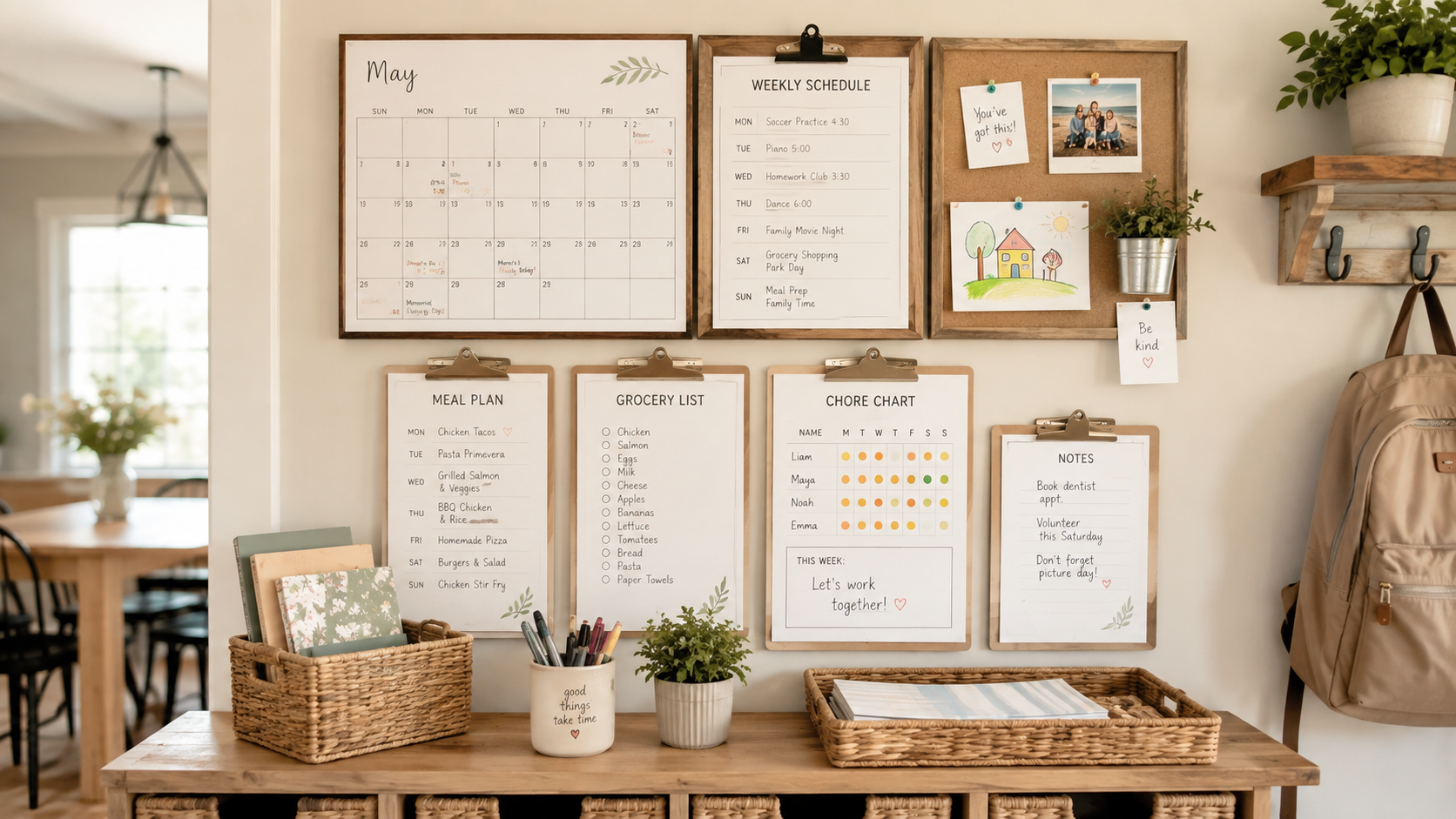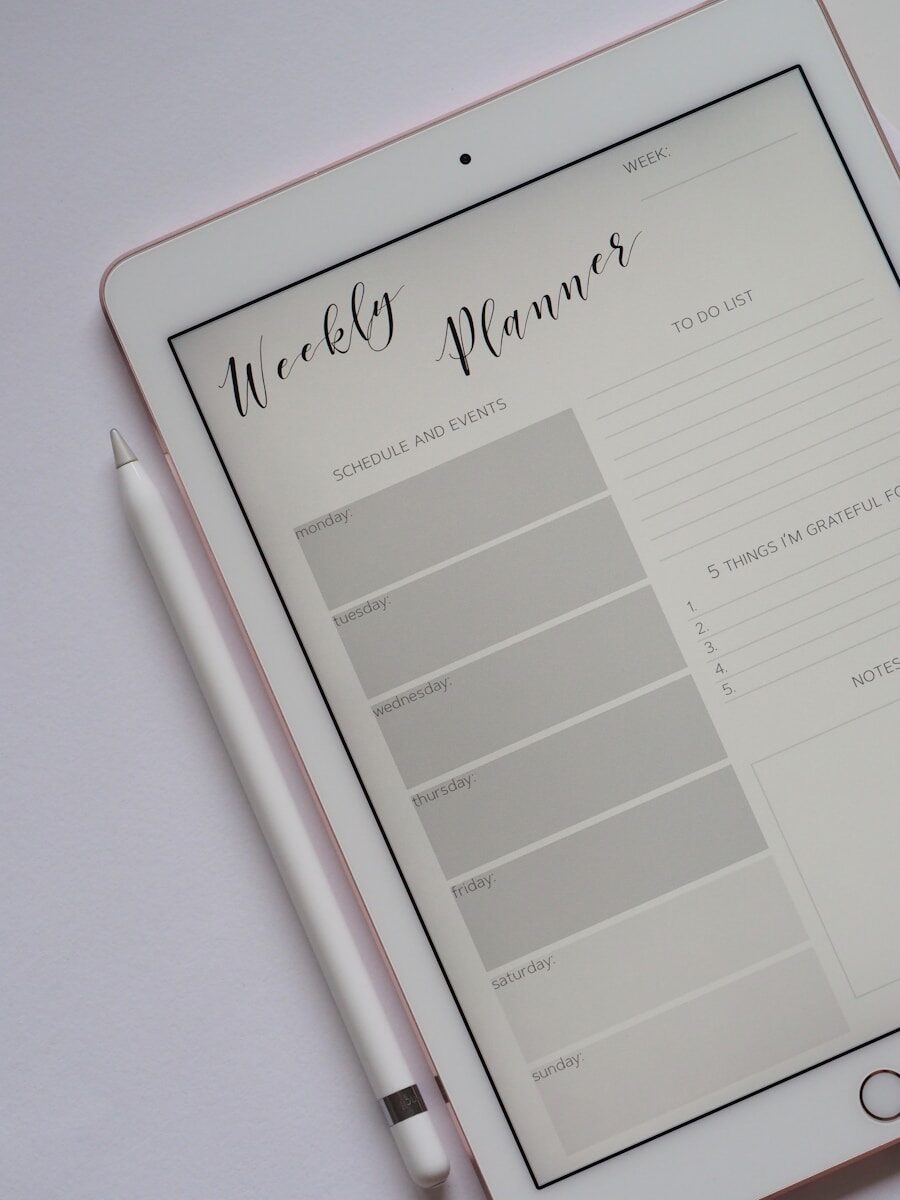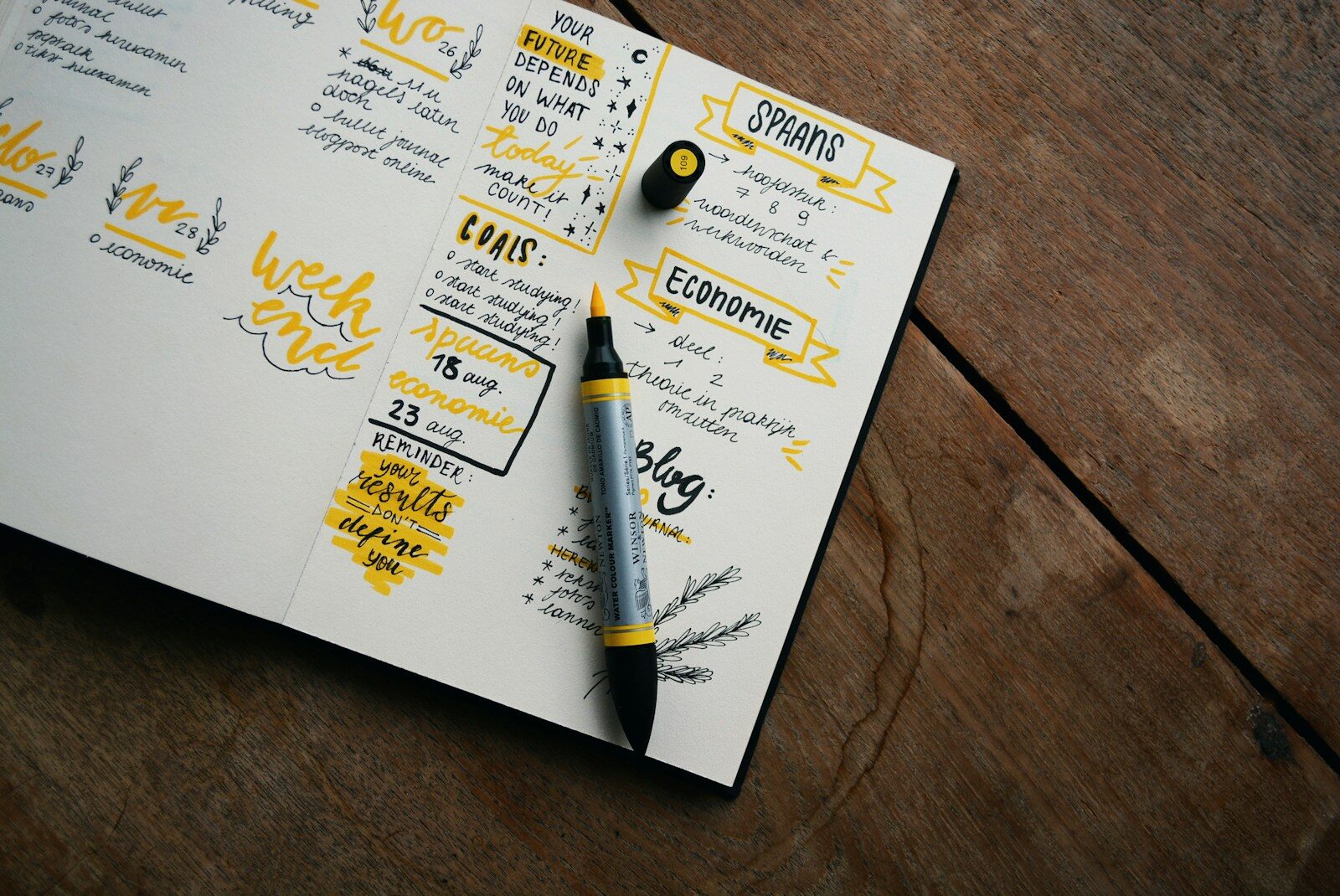

A weekly planner can be one of the easiest tools to help you feel more organized, focused, and in control of your time. You do not have to use it perfectly, and you do not need a complicated planning system to make it work. The best weekly planner is the one you actually use.
Whether you are managing work, family, school, appointments, meals, goals, or personal projects, a weekly planner gives you one place to see what is coming up and what needs your attention.
Here are 10 simple ways to use a weekly planner.
1. Plan Your Week Before It Starts
One of the best ways to use a weekly planner is to sit down before the week begins and look ahead. This could be on Sunday evening, Monday morning, or any day that makes sense for your schedule.
Write down appointments, work hours, school events, deadlines, errands, and anything else that is already scheduled. This gives you a clear picture of your week before it gets busy.
2. Choose Your Top Priorities
A weekly planner helps you decide what matters most. Instead of filling your week with a long list of tasks, choose a few main priorities.
Ask yourself:
- What absolutely needs to get done this week?
- What would make this week feel successful?
- What task have I been putting off?
Writing down your top three to five priorities can help you stay focused instead of feeling pulled in too many directions.
3. Break Big Tasks Into Smaller Steps
Large tasks can feel overwhelming when they are written as one big item. A weekly planner makes it easier to break them into smaller pieces.
For example, instead of writing “clean the house,” you might write:
- Monday: clean bathrooms
- Tuesday: vacuum
- Wednesday: wash bedding
- Thursday: organize kitchen counter
Small steps feel easier to complete, and they help you make steady progress throughout the week.
4. Schedule Appointments and Important Dates
A weekly planner is a great place to keep track of appointments, meetings, practices, due dates, birthdays, and reminders.
Even if you use a digital calendar, writing important events in a planner can help you remember them better. It also allows you to see how busy your week really is before adding more to your schedule.
5. Create a Simple Meal Plan
Meal planning does not have to be complicated. Use your weekly planner to jot down dinner ideas for each day.
You can also use it to plan grocery shopping, leftovers, lunch prep, or nights when you know you need something quick. Having a basic meal plan can save time, reduce stress, and help you avoid last-minute decisions.
6. Track Habits
A weekly planner can help you build better habits by giving you a place to track them. You can track simple things like drinking water, walking, reading, taking vitamins, stretching, cleaning, or going to bed on time.
You do not need a long habit list. Start with one to three habits that would make your week better. Checking them off each day can give you a small sense of accomplishment.
7. Plan Time for Yourself
It is easy to fill a weekly planner with work, errands, and responsibilities. But your planner can also remind you to make time for rest and self-care.
Schedule simple things like:
- Reading for 20 minutes
- Taking a walk
- Having a quiet morning
- Working on a hobby
- Watching a favorite show
- Going to bed earlier
If you do not make space for yourself, it is easy for the week to get away from you.
8. Keep a Running To-Do List
A weekly planner is perfect for keeping a running list of tasks that need to be done soon but do not have a specific day yet.
This might include phone calls, errands, emails, cleaning tasks, shopping reminders, or project ideas. Keeping these tasks in one place helps clear your mind because you do not have to remember everything at once.
9. Review What Worked and What Did Not
At the end of the week, take a few minutes to look back over your planner. Notice what you finished, what you moved to another week, and what did not get done.
This is not about feeling guilty. It is about learning how your time is really being used. You may notice that you planned too much, forgot to schedule rest, or underestimated how long certain tasks would take.
A weekly review helps you plan better next time.
10. Use It in a Way That Fits Your Life
There is no perfect way to use a weekly planner. Some people like detailed schedules. Others prefer short lists. Some use stickers, colors, and decorations. Others keep things simple with a pen and a few checkmarks.
Your planner should make your life easier, not add more pressure. Use the sections that help you, skip the ones you do not need, and adjust your planning style as your life changes.
Final Thoughts
A weekly planner can help you feel more prepared, organized, and intentional with your time. You can use it to manage appointments, plan meals, track habits, organize tasks, and make space for the things that matter most.
The key is to keep it simple. Start with your schedule, add your priorities, and use your planner as a guide for the week ahead. Over time, it can become a helpful routine that keeps you focused without feeling overwhelmed.
Subscribe to our newsletter and receive a free 7 day reset planner.