
Choosing between a daily planner and a weekly planner can feel surprisingly complicated. Both can help you stay organized, manage your time, and feel more in control of your schedule. But the best choice depends on how you plan, how busy your days are, and what kind of structure helps you feel productive instead of overwhelmed.
Some people love the detailed layout of a daily planner. Others prefer seeing the whole week at a glance. The good news is that there is no wrong choice. The key is finding the planner style that fits your life.
What Is a Daily Planner?
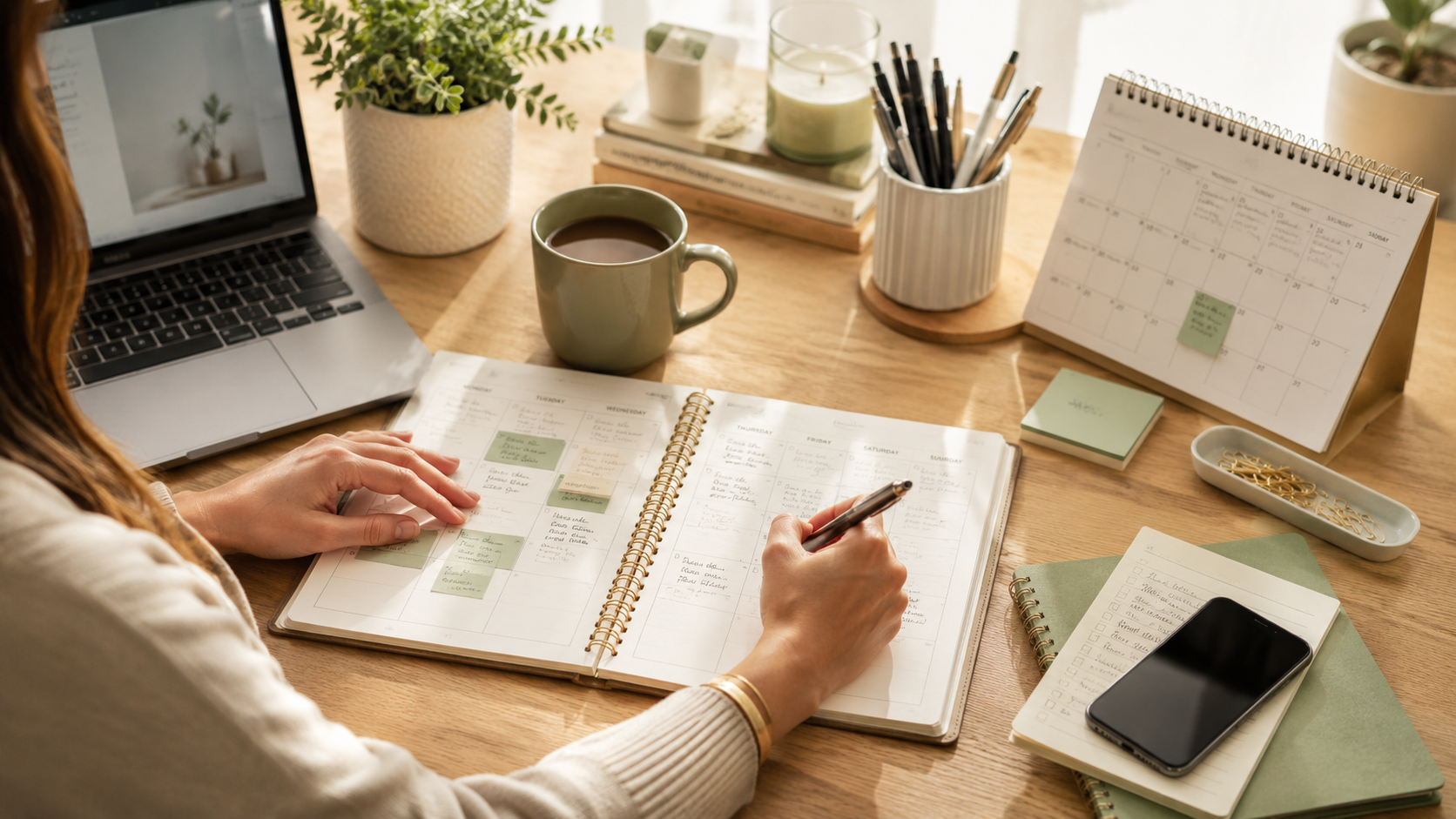
A daily planner gives you space to plan one day at a time. It usually includes sections for appointments, to-do lists, priorities, notes, meals, habits, or reminders.
Daily planners are helpful because they allow you to break your day into smaller, more manageable pieces. Instead of looking at an entire week of tasks, you can focus on what needs to happen today.
A daily planner is a good choice if you have a lot of moving parts in your day. This might include work tasks, appointments, errands, family responsibilities, meal planning, or personal goals.
Benefits of Using a Daily Planner
A daily planner gives you room for details. If you like writing out your schedule, listing tasks, tracking habits, or planning your day hour by hour, a daily planner may work well for you.
Daily planners are also great for people who feel overwhelmed by long to-do lists. When everything feels urgent, planning one day at a time can help you focus on the next right step.
A daily planner can help you:
- Organize a busy schedule
- Prioritize your most important tasks
- Break large goals into smaller steps
- Track habits and routines
- Reduce mental clutter
- Stay focused on today instead of the entire week
If you often end the day wondering where your time went, a daily planner can help you become more intentional with your time.
What Is a Weekly Planner?
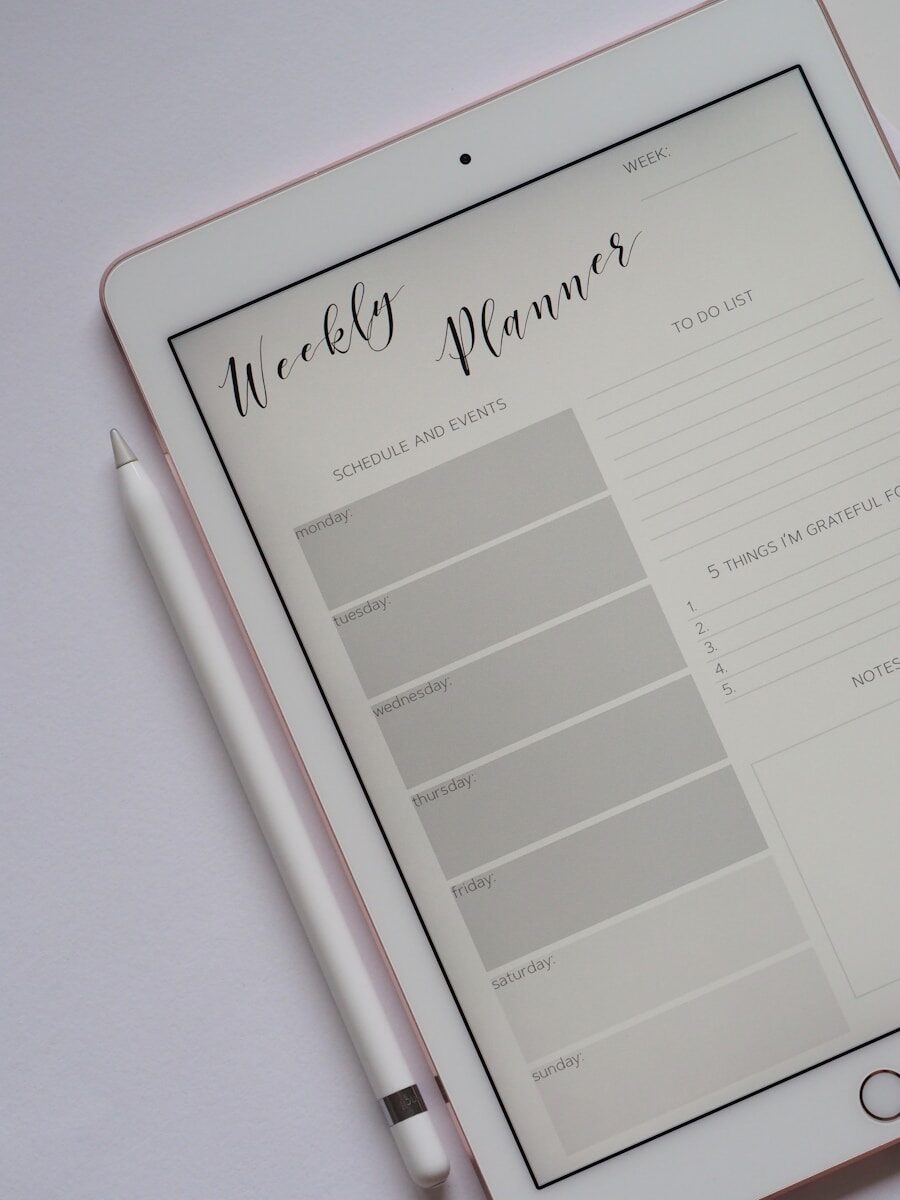
A weekly planner shows your entire week in one layout. Instead of focusing on one day at a time, it helps you see the bigger picture.
Weekly planners are useful for planning appointments, deadlines, routines, meal plans, work schedules, family activities, and weekly goals. They give you a bird’s-eye view of what is coming up so you can prepare ahead of time.
A weekly planner is a good choice if you like seeing your schedule in advance and balancing your responsibilities across the week.
Benefits of Using a Weekly Planner
A weekly planner helps you avoid overloading one day while leaving another day too empty. When you can see the whole week at once, it becomes easier to spread out your tasks.
Weekly planners are especially helpful for people who have recurring routines, flexible schedules, or weekly goals. They are also great for planning content, meals, workouts, cleaning tasks, school assignments, or business projects.
A weekly planner can help you:
- See your full week at a glance
- Plan ahead for appointments and deadlines
- Balance tasks across multiple days
- Set weekly goals
- Create routines
- Avoid last-minute stress
If you like big-picture planning, a weekly planner may be the better fit.
Daily Planner vs. Weekly Planner: What’s the Difference?
The biggest difference between a daily planner and a weekly planner is the amount of detail.
A daily planner gives you more room to plan each individual day. A weekly planner gives you a broader view of your schedule.
Think of a daily planner as a close-up view and a weekly planner as a wide-angle view. One helps you manage the details. The other helps you see the overall plan.
Choose a Daily Planner If…
A daily planner may be best for you if your days are full, unpredictable, or task-heavy.
You may need a daily planner if:
- You have a long to-do list most days
- You like scheduling your day by the hour
- You need space for notes and reminders
- You want to track daily habits
- You feel overwhelmed without a detailed plan
- You work better when you focus on one day at a time
Daily planners are especially helpful for busy moms, teachers, small business owners, students, freelancers, and anyone juggling multiple responsibilities each day.
Choose a Weekly Planner If…
A weekly planner may be best for you if you prefer simple planning and want to see everything in one place.
You may need a weekly planner if:
- You like seeing your whole week at once
- You have recurring appointments or routines
- You want to plan meals, workouts, or chores
- You prefer a less detailed layout
- You need help balancing your week
- You do not want to rewrite tasks every day
Weekly planners are great for people who want structure without feeling boxed in by a strict daily schedule.
Can You Use Both?
Yes, and many people do.
Using both a weekly planner and a daily planner can be a powerful system. Your weekly planner can help you map out your main events, deadlines, and goals. Your daily planner can help you break those plans into action steps.
For example, you might use your weekly planner on Sunday night to plan the week ahead. Then each morning, you use your daily planner to decide what needs your attention that day.
This method works well if you have both long-term goals and busy daily responsibilities.
A Simple Planner Routine to Try
If you are not sure where to begin, try this simple routine:
Start with a weekly planning session. Look at your appointments, deadlines, errands, and priorities for the week. Write them into your weekly planner so you can see what is coming.
Then, each day, choose your top three priorities. Write them in your daily planner along with any appointments, reminders, or smaller tasks that need to be done.
At the end of the day, review what you finished and move any unfinished tasks to another day.
This gives you the benefit of both big-picture planning and daily focus.
Which Planner Is Best for You?
The best planner is the one you will actually use.
If you love detail and need help managing each day, choose a daily planner. If you prefer a simple overview and want to plan ahead, choose a weekly planner. If your life feels especially busy, using both may be the best option.
The goal is not to create a perfect planning system. The goal is to create a useful one.
Your planner should make your life easier, not more complicated. Whether you choose a daily planner, a weekly planner, or both, the right system can help you feel more organized, focused, and prepared for the week ahead.
Final Thoughts
A daily planner helps you manage the details of today. A weekly planner helps you see the bigger picture. Both can help you stay organized, but they serve different purposes.
Before choosing one, think about how you naturally plan. Do you need a detailed daily schedule, or do you prefer a simple weekly overview? Once you know what kind of support you need, choosing the right planner becomes much easier.
The best planner is not the fanciest one. It is the one that helps you show up, stay focused, and make steady progress toward the things that matter most.
Subscribe to our newsletter and receive a free 7 day reset planner.